

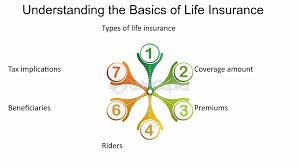
Life insurance is one of the most important financial tools available, offering peace of mind and financial security to individuals and their families. Yet, many people remain unaware of how life insurance works, the types of policies available, and the benefits it can provide. This comprehensive guide explores the fundamentals of life insurance, helping you make informed decisions about your financial future.
What Is Life Insurance?
Life insurance is a contract between an individual and an insurance company. In exchange for regular premium payments, the insurer agrees to pay a lump sum, known as the death benefit, to designated beneficiaries upon the death of the insured. This money can help cover funeral costs, pay off debts, fund education, and provide financial stability to surviving family members.
Importance of Life Insurance
Life insurance plays a crucial role in a comprehensive financial plan. Its primary purpose is to provide financial protection for loved ones in the event of the policyholder’s death. However, life insurance can also serve other roles, including estate planning, wealth transfer, and even as a tool for savings and investment, depending on the type of policy.
Key Components of Life Insurance
Understanding the core components of a life insurance policy is essential for selecting the right coverage. The key elements include:
- Premium: The amount paid to the insurance company, typically monthly or annually, to keep the policy active.
- Death Benefit: The lump sum paid to beneficiaries upon the death of the insured.
- Policyholder: The person who owns the insurance policy.
- Insured: The individual whose life is covered by the policy.
- Beneficiaries: The individuals or entities designated to receive the death benefit.
Types of Life Insurance
There are several types of life insurance, each with its own features, benefits, and drawbacks. The two main categories are term life insurance and permanent life insurance.
Term Life Insurance
Term life insurance provides coverage for a specified period, such as 10, 20, or 30 years. If the insured dies within the term, the death benefit is paid to the beneficiaries. If the term expires and the insured is still alive, there is no payout.
Advantages of Term Life Insurance:
- Lower initial premiums
- Simplicity and ease of understanding
- Ideal for temporary coverage needs
Disadvantages of Term Life Insurance:
- No cash value accumulation
- Coverage ends after the term unless renewed
- Renewal premiums may be significantly higher
Permanent Life Insurance
Permanent life insurance provides lifelong coverage and includes a cash value component that grows over time. There are several types of permanent life insurance:
- Whole Life Insurance: Offers fixed premiums, a guaranteed death benefit, and cash value accumulation at a guaranteed rate.
- Universal Life Insurance: Provides flexible premiums and death benefits, with cash value based on market interest rates.
- Variable Life Insurance: Allows policyholders to invest the cash value in various investment options, with potential for higher returns and increased risk.
- Indexed Universal Life Insurance: Cash value growth is linked to a stock market index, offering moderate risk and potential for higher returns.
Advantages of Permanent Life Insurance:
- Lifelong coverage
- Cash value accumulation
- Potential for policy loans and withdrawals
Disadvantages of Permanent Life Insurance:
- Higher premiums than term life
- Complexity of policy structure
- Potential for lower returns depending on market performance
Determining the Right Type of Life Insurance
Choosing the right life insurance policy depends on several factors, including your financial goals, budget, age, health, and the needs of your dependents. Here are some questions to consider:
- How long do you need coverage?
- What is your budget for premiums?
- Do you want a policy that accumulates cash value?
- Are you looking for flexibility in premiums and benefits?
- What are your investment preferences and risk tolerance?
How Much Life Insurance Do You Need?
Determining the appropriate amount of life insurance involves evaluating your financial obligations and the future needs of your beneficiaries. Common methods to calculate coverage include:
- Income Replacement Method: Multiply your annual income by the number of years your family will need support.
- DIME Formula: Consider Debt, Income, Mortgage, and Education expenses.
- Needs Analysis: A detailed approach that assesses all current and future financial needs.
Applying for Life Insurance
The process of applying for life insurance typically involves the following steps:
- Choosing a Policy Type and Coverage Amount: Based on your financial situation and goals.
- Filling Out an Application: Includes personal, health, and lifestyle information.
- Undergoing a Medical Exam: Required by many insurers to assess your health risks.
- Waiting for Underwriting Approval: Insurers evaluate your application and determine the premium.
- Policy Issuance: Once approved, the policy becomes active upon payment of the first premium.
Riders and Customization Options
Many life insurance policies offer optional riders that enhance or customize coverage. Common riders include:
- Accelerated Death Benefit Rider: Allows access to a portion of the death benefit if diagnosed with a terminal illness.
- Waiver of Premium Rider: Waives premium payments if the policyholder becomes disabled.
- Child Term Rider: Provides coverage for children under the parent’s policy.
- Guaranteed Insurability Rider: Allows the purchase of additional coverage without a medical exam.
Tax Implications of Life Insurance
Life insurance offers several tax advantages:
- Tax-Free Death Benefit: Proceeds paid to beneficiaries are generally not subject to income tax.
- Tax-Deferred Cash Value Growth: Earnings on the cash value are not taxed while they remain within the policy.
- Policy Loans: Loans taken against the cash value are not taxable if the policy remains in force.
However, there can be tax consequences in certain situations, such as surrendering a policy or if a policy lapses with an outstanding loan.
Life Insurance for Different Life Stages
Life insurance needs change over time. Here’s how coverage can be adapted at various life stages:
- Young Adults: May opt for term insurance to cover student loans or co-signed debts.
- New Parents: Need sufficient coverage to protect their children’s financial future.
- Mid-Life Individuals: May use life insurance for estate planning and wealth accumulation.
- Retirees: Can use life insurance to cover final expenses and leave a legacy.
Common Life Insurance Myths
Understanding and debunking common myths can help you make better decisions:
- “I don’t need life insurance if I’m young and healthy”: Accidents and unexpected illnesses can occur at any age.
- “Stay-at-home parents don’t need life insurance”: Their contributions have significant economic value.
- “Life insurance is too expensive”: Term life can be surprisingly affordable.
- “My employer-provided policy is enough”: Group coverage may not meet your full needs and often isn’t portable.
Reviewing and Updating Your Policy
It’s important to review your life insurance policy regularly, especially after major life events such as marriage, birth of a child, home purchase, or changes in employment. Updating beneficiaries, adjusting coverage amounts, and reevaluating your policy ensures it continues to meet your needs.
Conclusion
Life insurance is a vital component of financial planning, offering protection, peace of mind, and potential financial benefits for you and your loved ones. By understanding the basics—from types of policies to determining coverage needs and evaluating customization options—you can make informed choices that support your long-term financial goals. Whether you’re just starting out or reviewing your current coverage, life insurance can provide a safety net that helps secure the future for those who matter most.